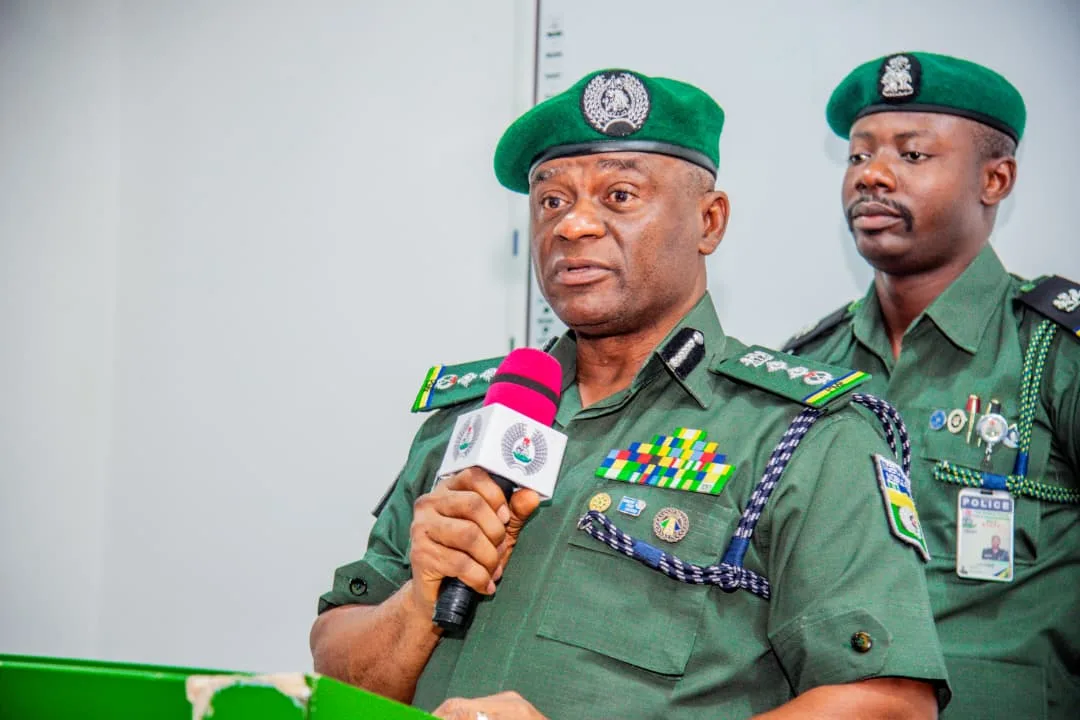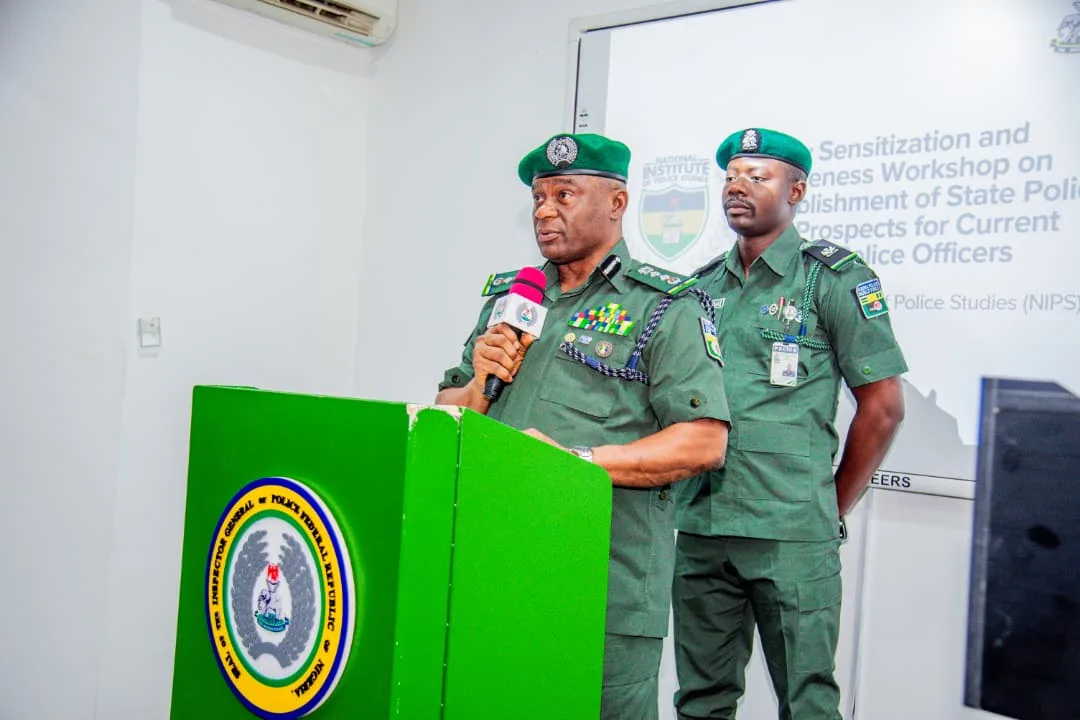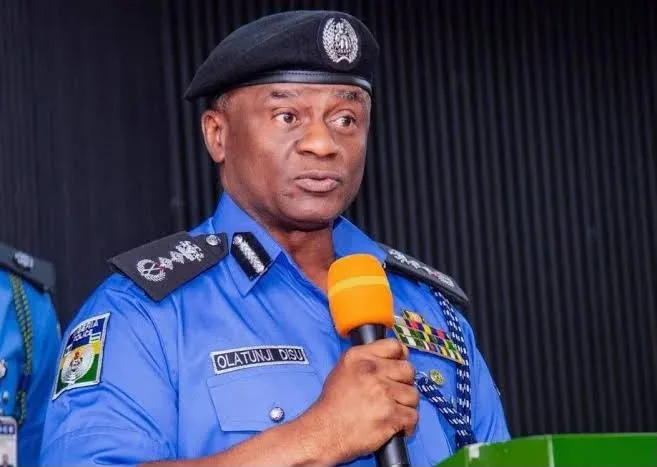
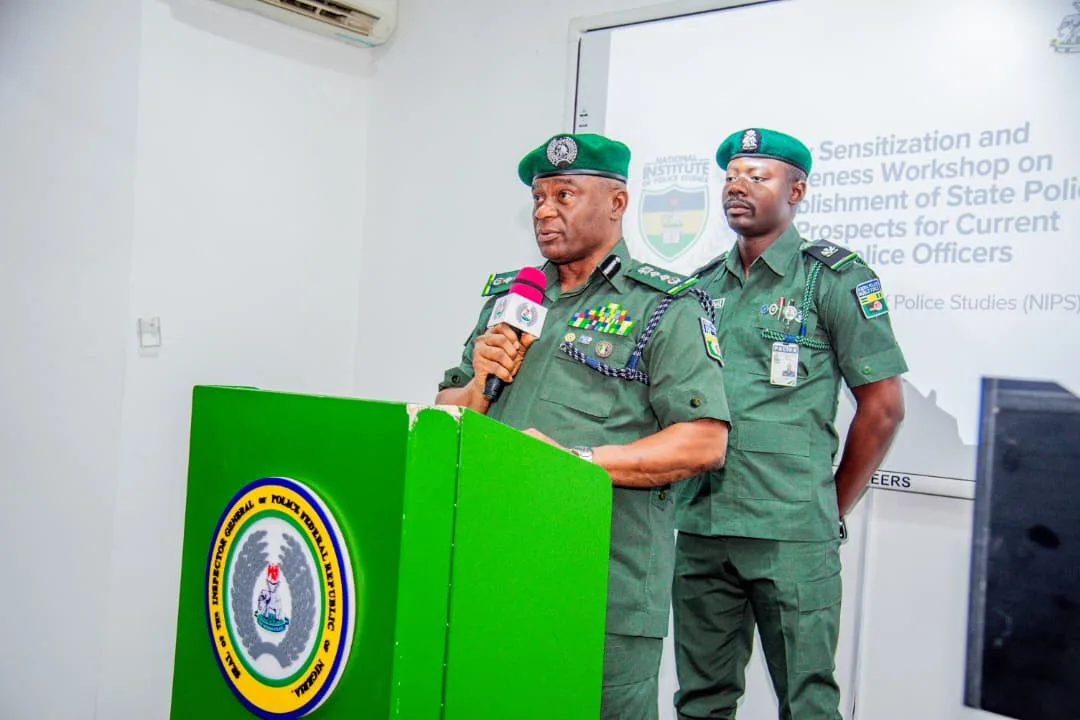
Inspector-General of Police, Olatunji Disu, has urged officers of the Nigeria Police Force to support the proposed establishment of state police, stating that the Federal Government has taken a firm decision to implement the new policing structure.
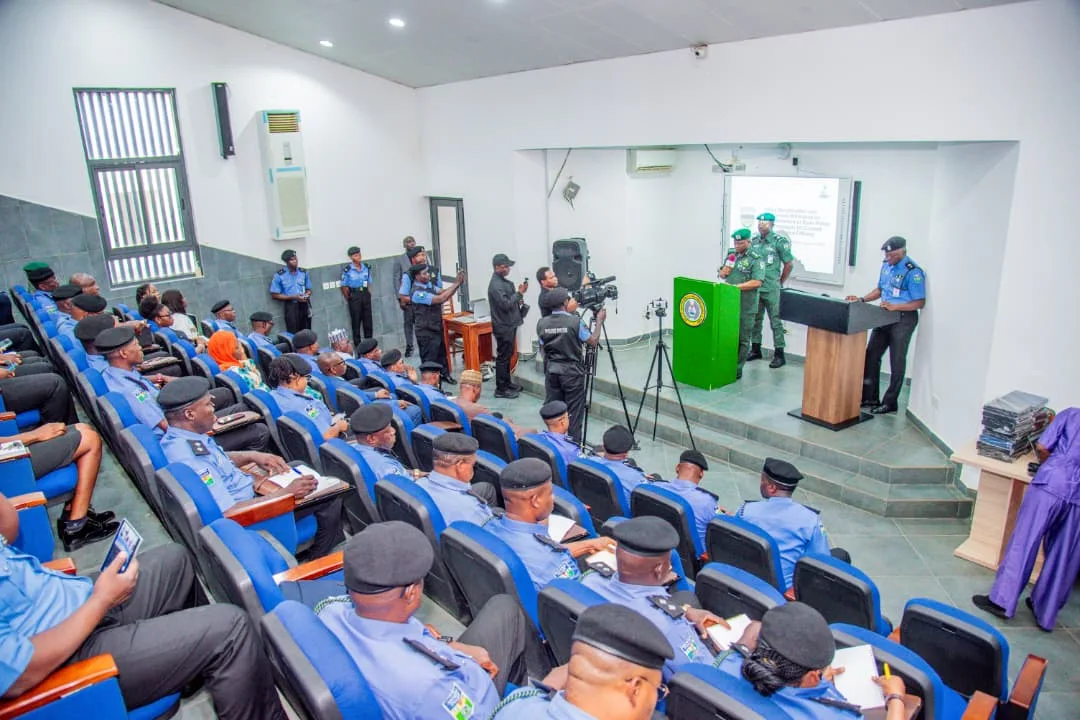
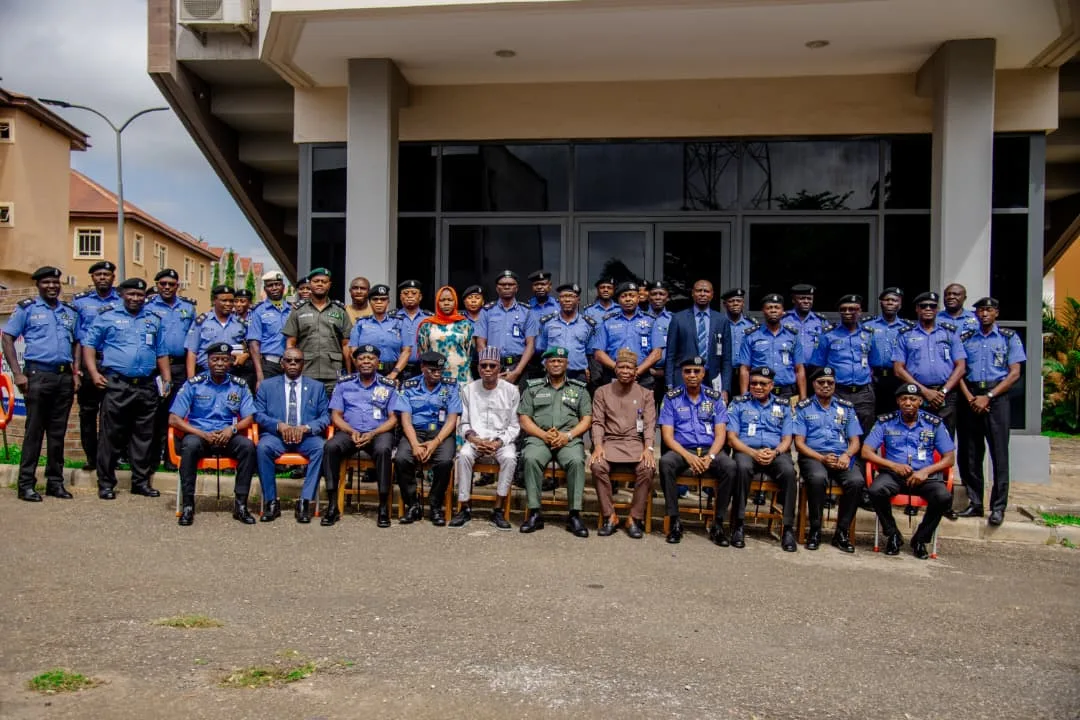
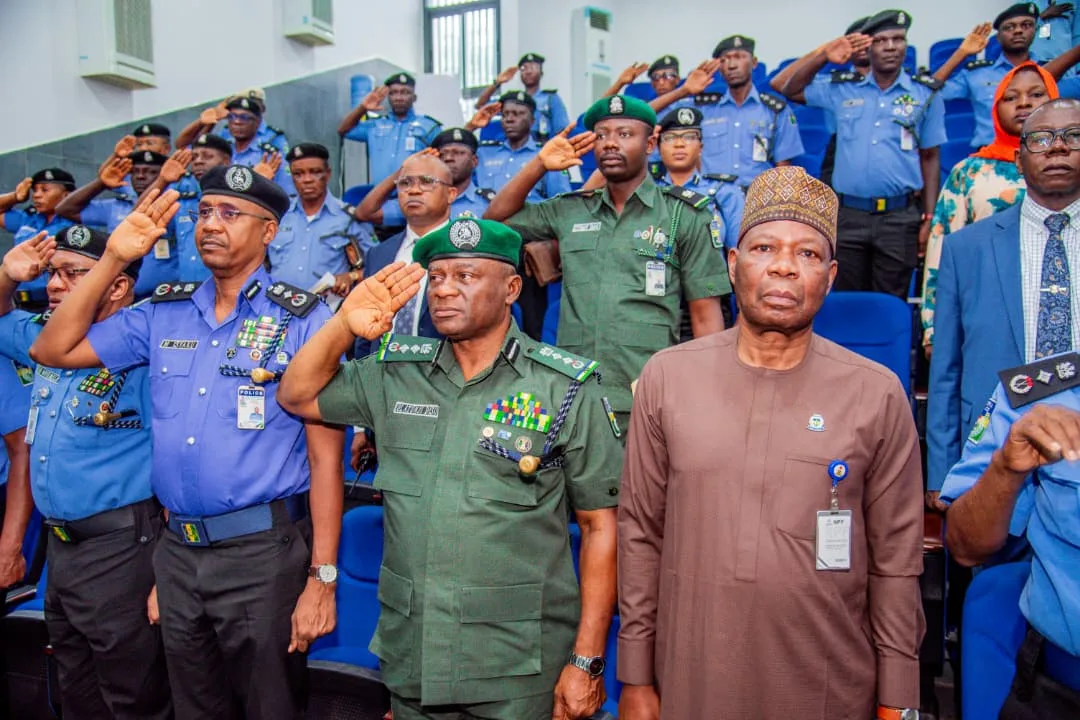
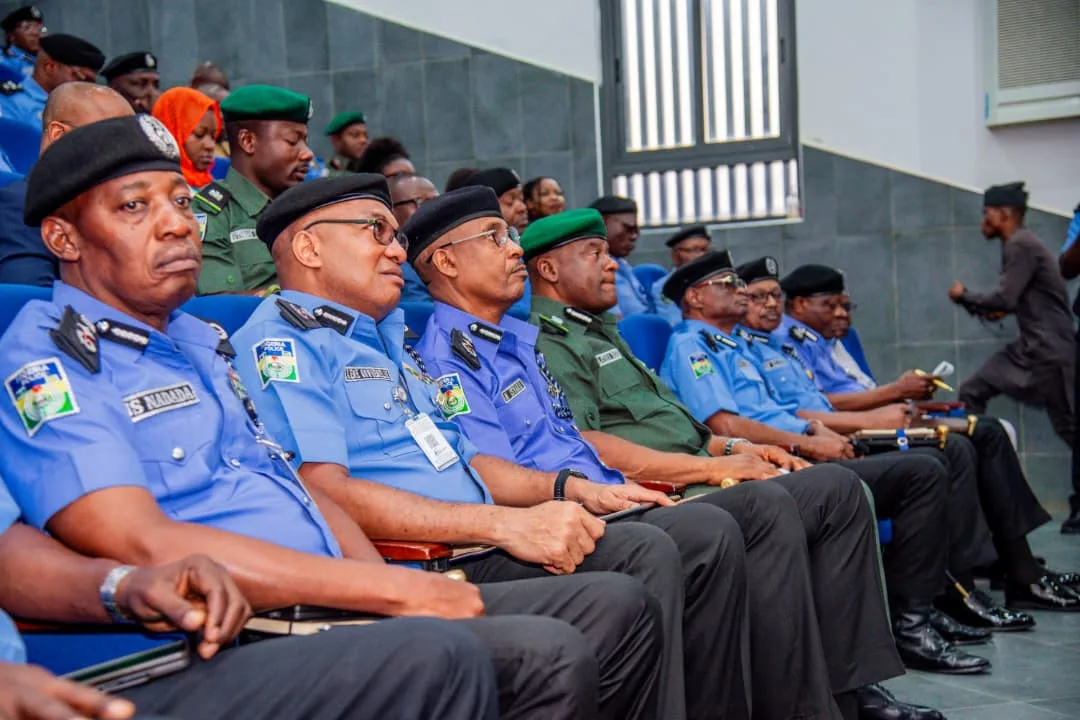
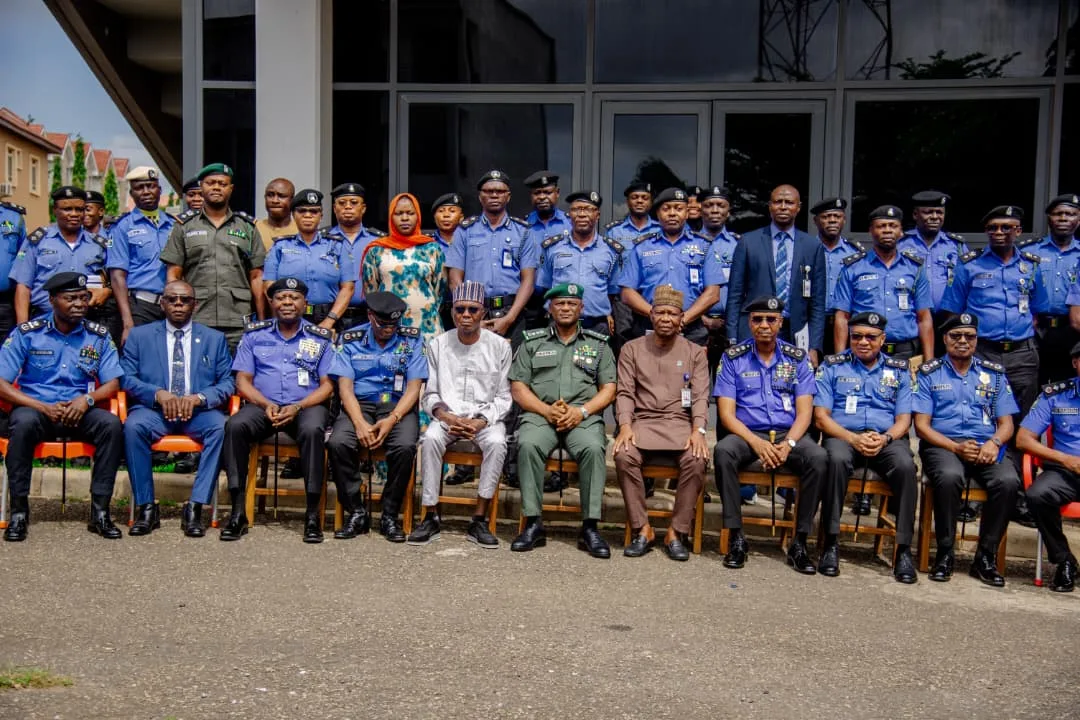
Speaking at the opening of a one-day workshop on state policing, Disu described the initiative as one of the country’s most far-reaching security reforms, stressing that its implementation would shape the future of policing in Nigeria and attract international attention.
He said the Force has a responsibility to ensure that officers across the country clearly understand the objectives of the proposed reform, noting that widespread concerns and misconceptions must be addressed through proper enlightenment.
According to the IGP, police leaders are expected to educate personnel under their commands on how state policing will operate and why the reform is being introduced.
Disu emphasised that the initiative is a national project driven by the Federal Government for the benefit of Nigerians and not an agenda of the Nigeria Police Force alone.
He therefore called on participants at the workshop to actively engage in discussions, ask questions and gain a clear understanding of the framework so they can effectively educate officers in their various commands.
The Inspector-General also praised the Director-General of the National Institute of Police Studies and Head of the Nigeria Police Reform Secretariat, Professor Olu Ogunsakin, for his role in developing the proposed framework for state policing, describing him as a key contributor to the reform process.
Reflecting on the development of the proposal, Disu said the Force initially considered remaining on the sidelines after learning that discussions on state policing were already advanced. However, he said the police leadership decided to establish its own committee to make meaningful contributions to the national conversation.
He disclosed that although the Nigeria Governors’ Forum had already made significant progress through its own committee, the police committee worked quickly to produce a comprehensive framework that is now serving as a reference point in the ongoing deliberations.
According to him, the committee completed the initial framework within 17 days, providing the foundation for the discussions currently taking place across the country.
The IGP, however, noted that the document remains subject to further review and refinement before its final adoption.
He revealed that retired Inspectors-General of Police have also contributed recommendations to strengthen the framework, adding that their experience has been valuable to the process.
Disu encouraged participants to carefully examine the document and make constructive inputs to ensure every critical issue is addressed before implementation.
He further disclosed that the committee studied policing models in countries operating federal systems, including India, the United States and Pakistan, to identify global best practices that could guide Nigeria’s proposed state policing structure.
The Inspector-General concluded by urging participants to approach the workshop with commitment and professionalism, expressing confidence that their contributions would play a vital role in shaping a more effective policing system for the country.