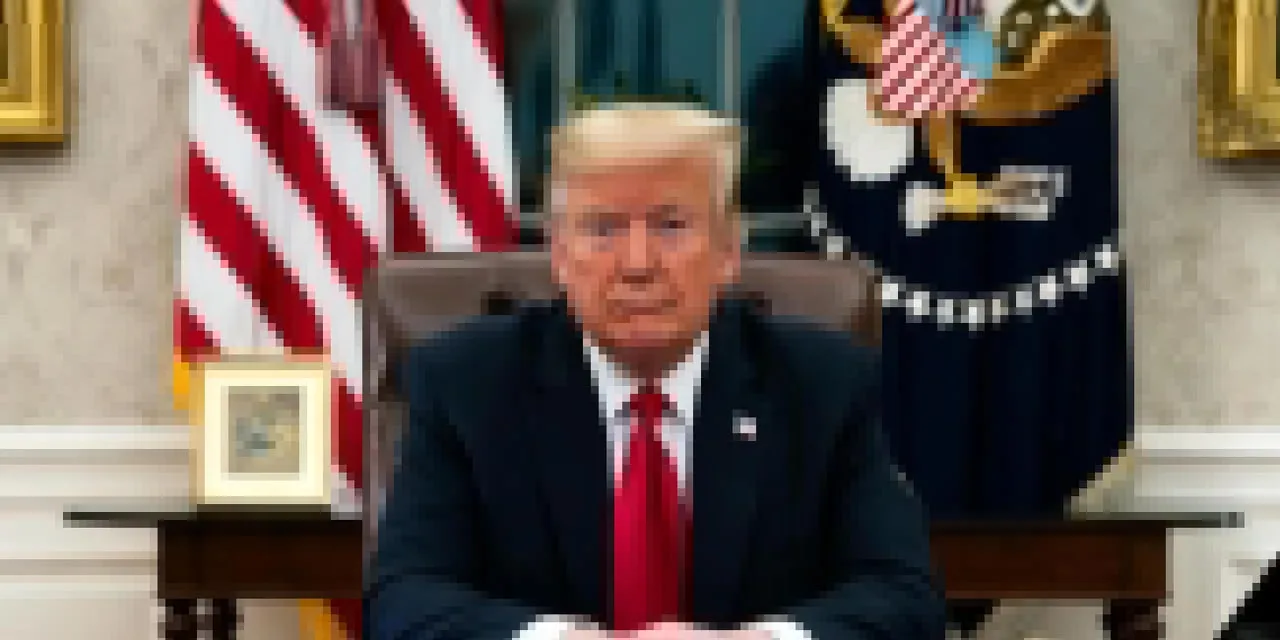
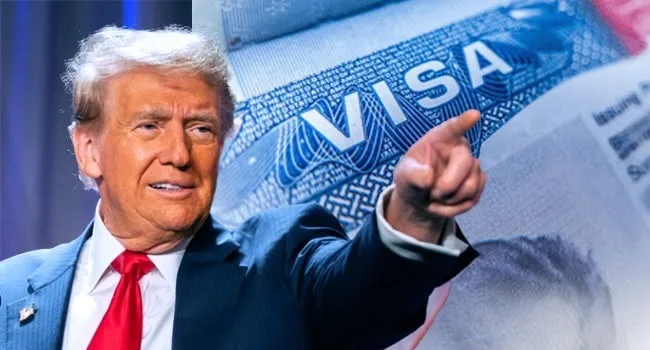
President Donald Trump’s administration has finalised new immigration rules that place tighter limits on how long foreign students and international journalists can remain in the United States, marking another step in its efforts to tighten legal immigration.
Under the new policy, which could take effect as early as September, international students will be granted visas for the duration of their academic programme, with a maximum stay of four years.
Foreign journalists, meanwhile, will be allowed to stay for only 240 days—about eight months. They may apply for additional 240-day extensions, except journalists from China, whose stay will be limited to 90 days.
The measures form part of President Trump’s broader immigration agenda, which has focused on stricter border enforcement, tougher immigration policies and new restrictions on legal pathways into the United States.
The Department of Homeland Security (DHS) said it received nearly 22,000 public comments after introducing the proposal in August 2025 but proceeded to finalise the regulation with little modification.
When unveiling the proposal, DHS argued that some foreign nationals had been prolonging their academic programmes to remain in the country as “forever students.”
According to the department, the long-standing open-ended admission system for students, which has existed since the late 1970s, made it more difficult to effectively monitor visa holders.
Official figures show that the United States hosted more than 1.1 million international students during the 2023–2024 academic session, contributing over $50 billion to the country’s economy in 2023.
The policy has, however, drawn criticism from higher education groups, which argue that it creates unnecessary administrative obstacles for international students.
The Presidents’ Alliance on Higher Education and Immigration warned that the rule “weakens the ability of US colleges and universities to attract top talent.”
Several universities have already reported declining international student enrolment following earlier immigration measures introduced by the Trump administration, including the cancellation of thousands of student visas and the suspension of billions of dollars in federal research funding.
Media organisations, international stakeholders and the Embassy of Japan also urged DHS to permit admission periods ranging from two to five years for foreign correspondents assigned to U.S. bureaus.
However, the department rejected those recommendations, as well as requests for faster visa processing and limits on application fees for journalists.
President Trump had introduced a similar proposal toward the end of his first term in office, but it was later reversed by his successor, Joe Biden.
The newly finalised rule will now be subject to review by the Republican-controlled Congress.