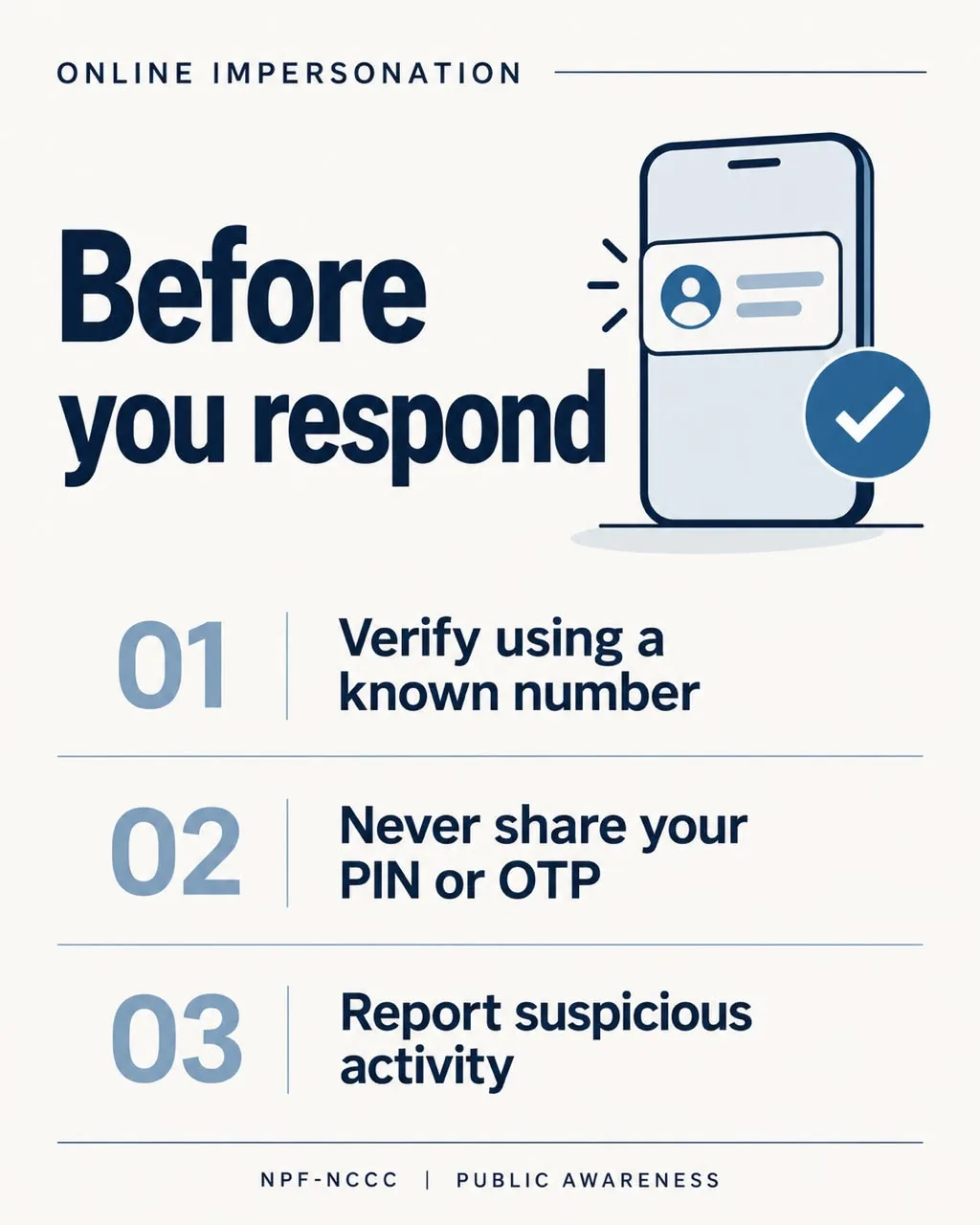

The Inspector-General of Police, Olatunji Rilwan Disu, has warned about the growing threat of artificial intelligence-enabled fraud, ransomware attacks and cryptocurrency laundering, urging financial institutions to report cyber incidents promptly and strengthen collaboration with law enforcement agencies.
Disu, who was represented by the Assistant Inspector-General of Police in charge of the Department of Training and Development, Uche Ifeanyi Henry, made the call while delivering a presentation titled, “From AI-Enabled Cybercrime to Cross-Border Crypto Laundering: Building Resilient Digital Investigations,” at the second International Cybersecurity Conference.
He said the increasing sophistication of digital crimes required intelligence-driven investigations, advanced forensic technology, timely information sharing and stronger international cooperation.
The IGP noted that financial crimes had evolved beyond conventional offences such as armed robbery, counterfeit currency and document fraud to complex digital operations capable of compromising financial systems and concealing illicit proceeds across international borders.
He explained that criminals were increasingly exploiting internet-connected devices and emerging technologies to perpetrate fraud remotely, making traditional investigative methods inadequate to address the evolving threats.
“The trend is no longer the same. The armed robbers we used to have on the streets have moved from the streets into the operational room,” he said.
Disu identified AI-generated deepfakes, phishing, identity theft, business impersonation, disinformation and ransomware as some of the methods criminals use to deceive victims, steal sensitive information and gain unauthorised access to financial systems.
He warned that artificial intelligence could be used to create convincing images, videos and voice recordings of prominent personalities and corporate executives to trick unsuspecting victims into transferring money or disclosing confidential information.
The police chief also highlighted the dangers of ransomware attacks, through which criminals infiltrate computer systems, encrypt critical data and demand payment before restoring access.
He cautioned that failure by financial institutions to report cyberattacks promptly could delay investigations, obstruct intervention efforts and give criminals more time to conceal stolen funds or destroy evidence.
“When it is not reported, how can they get help?” he asked, stressing the need for affected institutions to notify relevant authorities as soon as cyber incidents are detected.
According to him, prompt reporting would help investigators trace suspicious transactions, assist affected customers and take measures to contain losses and preserve digital evidence.
Disu further warned that paying ransom did not guarantee the recovery of encrypted data or stolen assets. He compared ransomware attacks to kidnapping, where criminals hold valuable information or systems hostage to extort victims.
He said the consequences could extend beyond financial losses to include the destruction of critical information, disruption of essential services and exposure of confidential data.
On cryptocurrency-related offences, the IGP identified crypto mixers and tumblers as tools that could complicate efforts to trace illicit digital transactions.
He explained that such services could obscure transaction trails by combining or rearranging cryptocurrency transfers, making it more difficult for investigators to establish the origins of funds, identify beneficiaries and recover criminal proceeds.
He added that the cross-border nature of cryptocurrency transactions created additional challenges, particularly when criminals moved funds through multiple jurisdictions before authorities could intervene.
“The speed of financial crime today is astronomical, and the victims are not limited by borders, whereas our law enforcement response is slow,” he said.
Disu called for stronger international cooperation and streamlined investigative procedures to address delays caused by bureaucratic processes, noting that such obstacles could undermine efforts to trace and recover stolen assets.
He also expressed concern over the involvement of young people, including minors, in cybercrime, stressing the need to combine enforcement with public awareness and preventive measures.
The IGP warned that digital financial crimes could undermine public confidence in electronic transactions, discourage investment, weaken innovation and threaten financial inclusion.
“Trust is invisible, yet every financial transaction depends on it,” he said.
To address these challenges, Disu advocated increased investment in digital forensic capabilities, intelligence sharing and technology-driven investigations to strengthen the capacity of security agencies to detect and investigate cyber offences.
He maintained that law enforcement agencies must match criminals’ growing use of artificial intelligence with advanced tools capable of identifying suspicious activities, anticipating threats and enabling early intervention.
“Our response must be predictive, not just reactive; automated, not just manual; and intelligence-driven, not just word-based,” he said.
The IGP urged financial institutions, technology providers and security agencies to prioritise proactive threat detection, prompt incident reporting and sustained collaboration, stressing that these measures were essential to combating AI-enabled cybercrime and cross-border cryptocurrency laundering.