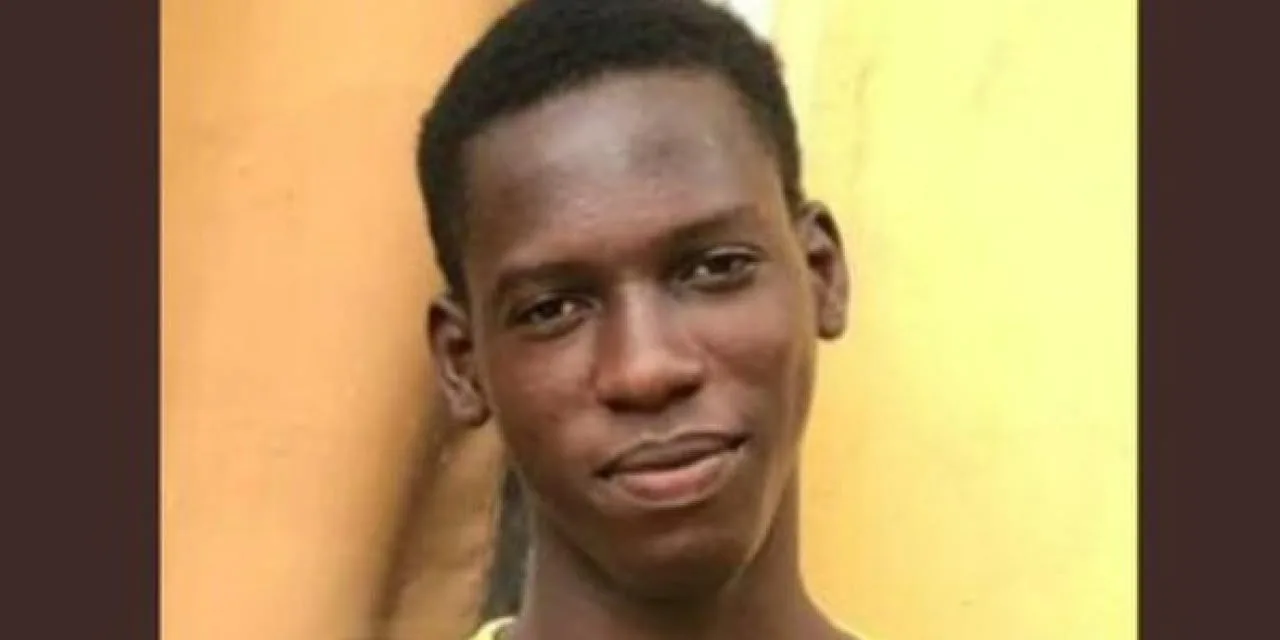
A Lagos State Coroner’s Court has directed the Infectious Diseases Hospital, Yaba, to release the remains of journalist Pelumi Onifade to his family for burial, nearly six years after he was shot while covering the #EndSARS protests and subsequently found dead in a mortuary.
The directive marks a significant development in the family’s prolonged search for justice over the death of the 20-year-old Gboah TV reporter, whose disappearance following the October 2020 incident raised concerns over the circumstances surrounding his death.
The coroner, Mrs Temitope Oladele, issued the order following an application by Alimi Adamu, counsel to the Onifade family and Media Rights Agenda (MRA), seeking permission for his parents to take custody of his remains.
The body, identified by mortuary tag number 1385, was confirmed to belong to Onifade through DNA analysis conducted by the Lagos State DNA and Forensic Centre.
The application followed the adoption of a witness statement on oath by the journalist’s mother, Bose Onifade, filed before the court on November 11, 2026.
Granting the request, Oladele directed the hospital to release the remains within 14 days of receiving the court order.
Adamu had also asked the court to formally acknowledge, under Section 29 of the Coroner’s System Law of Lagos State, that the remains had been kept in government custody for forensic and judicial purposes.
He explained that the record would help the family resolve administrative challenges arising from the prolonged storage of the body, particularly issues concerning mortuary charges.
The coroner, however, maintained that the circumstances surrounding the custody of the remains were already documented in the court’s records.
She directed that the order be served on the hospital before further issues concerning its implementation could be considered.
Meanwhile, proceedings continued with efforts to secure the attendance of witnesses expected to provide crucial evidence about the circumstances of Onifade’s death.
Adamu told the court that attempts to locate one of the witnesses had been unsuccessful because his current whereabouts remained unknown.
He said the witness had maintained telephone contact with him but expressed fears for his personal safety and reportedly suffered from post-traumatic stress disorder following the incident.
According to the lawyer, the witness was allegedly with Onifade when he was shot and could provide important evidence about the journalist’s shooting, arrest and subsequent disappearance.
Adamu consequently requested permission for the witness to testify electronically, with measures to protect his identity and personal information.
The coroner granted the application and directed that the summons be served on the witness through WhatsApp.
Another witness, Jimmy Michael, was also scheduled to appear before the court.
Counsel to the Lagos State Government, Adebola Araba, informed the coroner that he had contacted Michael, who reportedly confirmed that he was occupied with his seasonal Christmas business but had not refused to testify.
Michael was also said to have been present when Onifade was shot.
Following Adamu’s application, the coroner issued a fresh summons directing that Michael be served electronically.
The lawyer also identified Michael Oluwajoba Bamiro, director of Gboah TV, as another important witness, explaining that he reportedly arrived at the scene shortly after the shooting.
The court approved his appearance at the next sitting, while Adamu undertook to file his witness deposition on oath before then.
Onifade was a 20-year-old History student at Tai Solarin University of Education, Ogun State, and an intern reporter with Gboah TV, an online television station based in Lagos.
On October 24, 2020, he was deployed alongside a colleague to cover the #EndSARS protests at the Abattoir area of Oko-Oba, Agege, Lagos State.
The incident reportedly occurred during a confrontation between security operatives and a crowd accused of attempting to break into a government facility where COVID-19 palliatives were stored.
Eyewitness accounts indicated that police officers and personnel of the Lagos State Government Task Force opened fire during the confrontation, leaving Onifade with gunshot injuries.
Despite wearing a jacket identifying him as a journalist, he was allegedly taken away in a police vehicle alongside some of the people arrested during the incident.
His disappearance triggered frantic searches by his parents, colleagues and friends, who visited several police stations and security facilities across Lagos in an attempt to establish his whereabouts.
On October 27, 2020, his family and Gboah TV publicised his disappearance on social media, appealing for information about his location.
The family subsequently received communication from police officers and was invited to the Lagos State Police Command headquarters in Ikeja.
On October 28, officers reportedly informed the family and his colleagues that five people had been arrested in connection with the incident at Agege, adding that one of them had died and the body deposited at a mortuary in Ikorodu.
Two days later, on October 30, the family identified Onifade’s remains at the mortuary.
The police, however, subsequently denied that the journalist was among those arrested during the operation, claiming that his body had been recovered from an unspecified location and deposited at the facility.
The conflicting accounts left unresolved questions about the circumstances of his death, the identity of those responsible and what happened between his reported arrest and the discovery of his body.
The case attracted international condemnation, with the Committee to Protect Journalists (CPJ) calling on Nigerian authorities to conduct a credible and transparent investigation and ensure that those responsible were held accountable.
The United Nations Educational, Scientific and Cultural Organization (UNESCO) also called for a thorough investigation into the journalist’s death.
In August 2021, Media Rights Agenda instituted legal proceedings against the police authorities and the Lagos State Government at the Federal High Court in Lagos, seeking an independent investigation into Onifade’s death and the identification and prosecution of those responsible.
The organisation argued that his alleged shooting and arrest while performing his journalistic duties violated his fundamental rights, including his rights to life, personal liberty and freedom of expression.
On July 19, 2024, Justice Ayokunle Faji of the Federal High Court in Lagos directed the Lagos State Attorney-General to take necessary steps to investigate Onifade’s death and conduct a coroner’s inquest to establish the cause of death and identify those responsible for possible prosecution.
The judgment followed the legal action instituted by MRA over the authorities’ failure to provide a satisfactory account of the journalist’s death.
In September 2024, international press freedom organisations, including CPJ, the Media Foundation for West Africa and the International Press Institute, renewed calls for the release of Onifade’s remains to his family and demanded accountability.
The organisations expressed concern that nearly four years after the incident, his family was still unable to bury him while the circumstances surrounding his death remained unresolved.
A major breakthrough came on June 23, 2026, when the Lagos State DNA and Forensic Centre presented a sealed forensic report to the coroner confirming that the unidentified remains bearing tag number 1385 belonged to Onifade.
The DNA analysis reportedly established a genetic match between the remains and a sample provided by his mother, ending nearly six years of uncertainty over the identity of the body.
However, the confirmation of his identity did not establish the cause of death or identify those responsible.
The medical autopsy report requested by the court was still outstanding, while the police continued to deny that Onifade died in their custody.
With the latest order directing the Infectious Diseases Hospital, Yaba, to release his remains within 14 days, the family is now closer to finally laying the young journalist to rest.
The coroner adjourned further proceedings until December 15, 2026, as the inquest continues to establish the circumstances surrounding his death and determine accountability.