The National Economic Council (NEC) has approved an additional ₦130bn for the rehabilitation of police training institutions across Nigeria, bringing the total funding for the exercise to ₦230bn.
The council also approved two proposed World Bank-backed projects worth a combined $850m to support disaster management and early childhood development across the country.
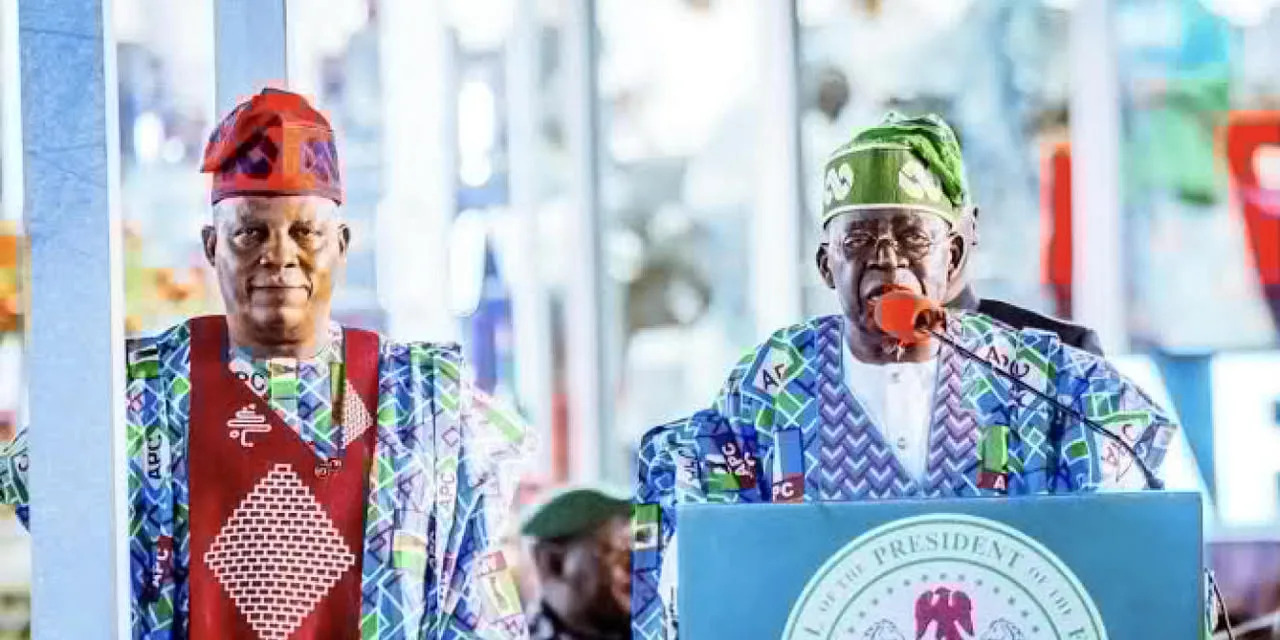
The approvals were announced following the council’s 162nd meeting on Monday, chaired virtually by Vice President Kashim Shettima.
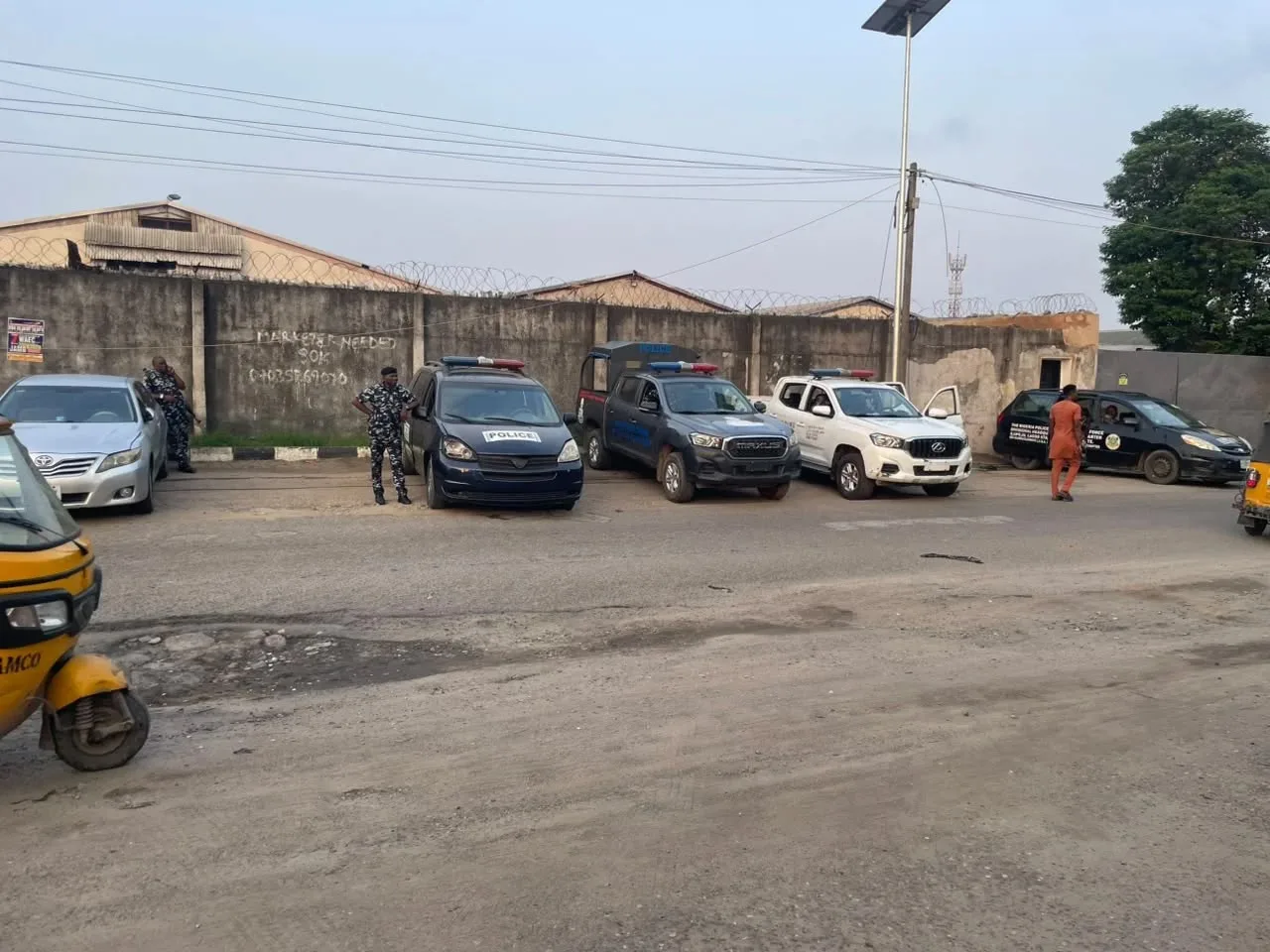
Enugu State Governor Peter Mbah, who leads the NEC committee overseeing the rehabilitation of police training institutions, informed members that construction was ongoing at 13 sites nationwide, with work reaching 30 per cent completion.
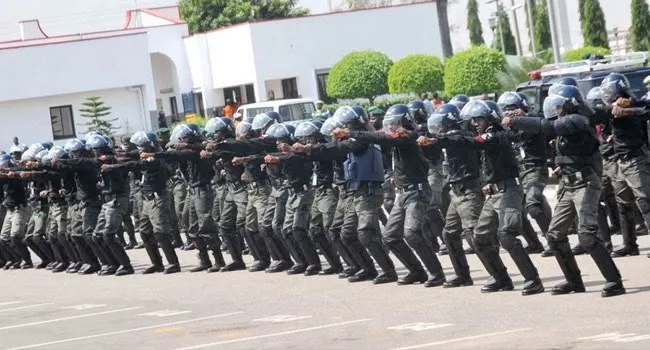
The additional allocation is expected to speed up the rehabilitation of the facilities and equip them to accommodate the planned recruitment and training of 50,000 police officers.
The programme is part of efforts to strengthen police training infrastructure ahead of the proposed introduction of state policing.
The latest approval comes after the council initially committed ₦100bn to the project following President Bola Tinubu’s recommendation for the establishment of an ad hoc intervention committee in October 2025.
At the same meeting, the council considered two development proposals presented by the Minister of Budget and Economic Planning, Atiku Bagudu, with a combined proposed World Bank financing of $850m.
The first, the $350m Accelerating Resilience through Investment Systems and Engagement (ARISE-Nigeria) Project, is a six-year programme aimed at strengthening the capacity of federal and state governments to tackle natural disasters such as flooding, droughts and fires.
Between five and 10 states are expected to participate in its initial phase, with selection based on their exposure to disaster risks and institutional capacity.
The second proposal is the State-Led Early Childhood Development Programme, which seeks $500m in World Bank financing, alongside a potential $30m grant from the Global Financing Facility.
The programme is designed to improve the delivery of childcare, preschool education and primary healthcare services across the 36 states and the Federal Capital Territory.
The council also received an economic briefing from the Minister of Finance and Coordinating Minister of the Economy, Taiwo Oyedele, who highlighted improvements in key economic indicators.
Oyedele said Nigeria’s Gross Domestic Product grew by 4.43 per cent in the second quarter of 2026, compared with 4.23 per cent in the corresponding period of 2025.
He disclosed that headline inflation declined for the fifth consecutive month to 14.06 per cent in October, while the country’s foreign reserves stood at $54.87bn as of November 12.
The minister further reported that Nigeria’s trade surplus rose from ₦10.2tn in the first half of 2025 to ₦20.1tn in the first half of 2026.
He added that net revenue distributed through the Federation Account Allocation Committee increased by 44 per cent, from ₦15.2tn in 2024 to ₦21.9tn in 2025.
Despite the improvements, Oyedele noted that the economic gains had yet to translate into sufficient relief for households and businesses, citing food inflation of 19.13 per cent in October, high lending rates and rising energy costs.
On other matters, the council urged state governments to work with the National Identity Management Commission to accelerate citizens’ registration and integrate the National Identification Number into public service delivery.
The move is aimed at strengthening identity management and preventing fraudulent salary and pension payments.
Following a presentation by the Director-General of the National Pension Commission, Omolola Oloworaran, the council also called on state governors to establish clear timelines for the full implementation of the Contributory Pension Scheme.
Earlier, Shettima urged federal ministries and state governments to develop strong institutions capable of sustaining the economic reforms introduced by the Tinubu administration.
He emphasised the need for cooperation between the federal and state governments, as well as the involvement of citizens in development programmes.
The Vice President said government interventions should be designed to protect vulnerable communities and ensure that people affected by economic and environmental challenges had access to the support needed to recover.