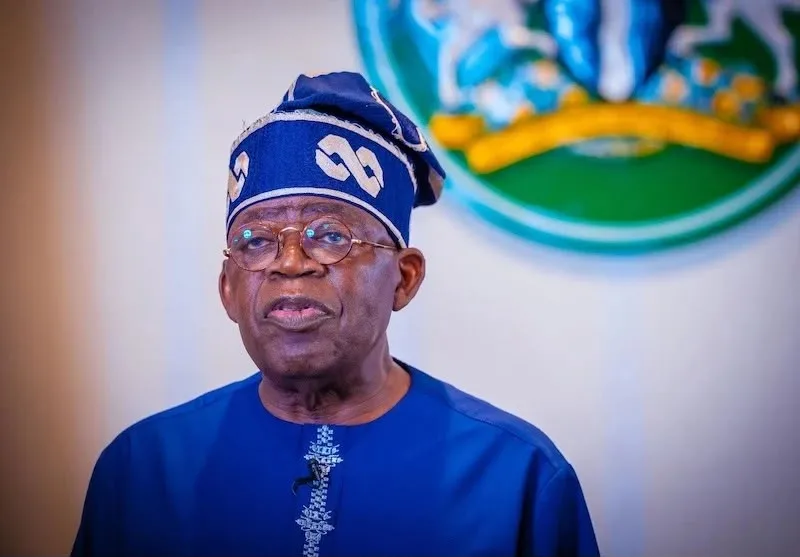
The Presidency has faulted claims that President Bola Tinubu accumulated ₦120 trillion in loans within three years of assuming office, despite removing the petrol subsidy, describing the figures as misleading and lacking proper context.
The Special Assistant to the President on Social Media, Dada Olusegun, debunked the claims in a statement shared on his X account on Sunday, blaming what he described as opposition propaganda for the circulation of the figures.
Olusegun argued that the comparison between the ₦46 trillion public debt attributed to 16 previous Nigerian leaders over 63 years and the ₦120 trillion allegedly borrowed by Tinubu within three years failed to account for significant financial obligations and exchange rate adjustments.
He explained that the ₦46 trillion debt figure recorded at the end of 2022 excluded ₦22.7 trillion in Central Bank of Nigeria’s Ways and Means advances, which were formally incorporated into the government’s debt records in May 2023.
According to him, previous debt calculations also relied on an exchange rate of ₦448 to the dollar, despite the naira trading above ₦700 to the dollar in the parallel market at the time.
Olusegun said the unification of the foreign exchange market in June 2023 automatically increased the naira value of Nigeria’s existing dollar-denominated debt by ₦13.4 trillion, without the government securing additional foreign loans.
He maintained that a more accurate assessment of the country’s borrowing should be based on its dollar-denominated debt, which increased from $113.4 billion in June 2023 to $120.9 billion by June 2026, representing an increase of $7.5 billion.
On the removal of the petrol subsidy, the presidential aide said the policy had significantly increased allocations to state and local governments through the Federation Account Allocation Committee.
He stated that monthly FAAC disbursements rose from ₦656 billion in April 2023 to ₦2.4 trillion in September 2026.
The controversy followed the circulation of a viral social media graphic comparing Nigeria’s accumulated public debt under previous administrations with the borrowing record of the Tinubu government.
However, fact-checking assessments of the graphic identified discrepancies in its presentation, noting that the ₦46 trillion represented the country’s outstanding debt as of December 2022 and not the cumulative amount borrowed by 16 successive leaders over 63 years.
The assessments also highlighted the failure to account for the exchange rate adjustments and the formal recognition of previously unrecorded financial obligations.
Figures from the Debt Management Office showed that Nigeria’s public debt stood at approximately ₦87.38 trillion, equivalent to $113.4 billion, in June 2023. By June 2026, it had increased to about ₦166.79 trillion, or $120.93 billion.
The naira-denominated increase was partly attributed to the floating of the naira in 2023 and the securitisation of Ways and Means advances inherited from the previous administration.
The Presidency’s response comes amid renewed debate over the country’s debt profile following Tinubu’s request for Senate approval of a $7.7 billion external borrowing plan to help finance the 2026 budget deficit.
The proposal, estimated at ₦10.79 trillion using the budget exchange rate of ₦1,400 to the dollar, was conveyed in a letter read by Senate President Godswill Akpabio during plenary on Wednesday.
The latest request replaced an earlier proposal seeking approval for external loans totalling $20.52 billion and €1.045 billion, which the President had presented to the National Assembly a week earlier.
Opposition parties, including the Nigeria Democratic Congress, have criticised the proposed borrowing, expressing concerns about Nigeria’s growing debt burden and the financial implications for future generations.