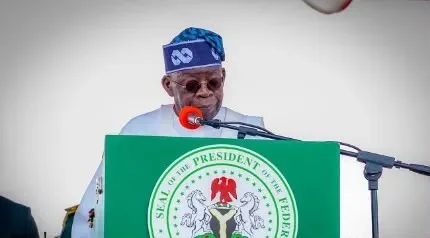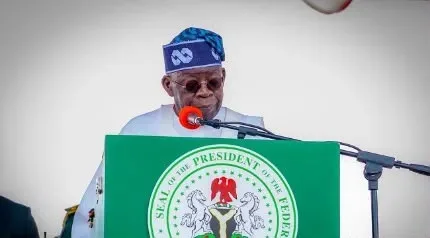
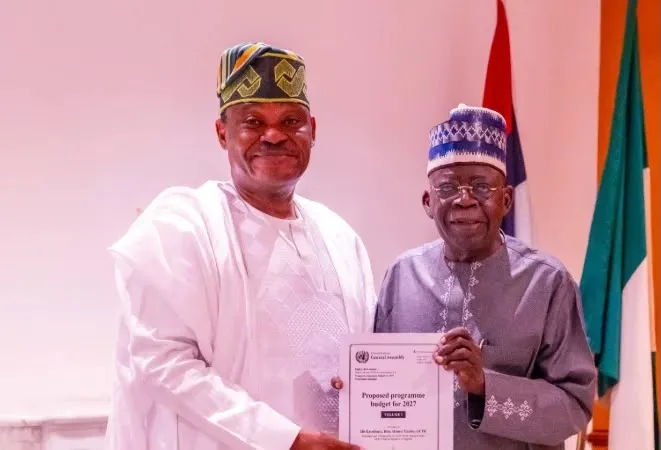
President Bola Tinubu has received the proposed 2027 budget of the United Nations from Nigeria’s Permanent Representative to the organisation, Jimoh Ibrahim, at the State House in Abuja.
Ibrahim, who chairs the UN General Assembly’s Fifth Committee responsible for administrative and budgetary matters, presented the seven-volume document to the President.
Speaking with journalists after the presentation, the Nigerian envoy described the event as a historic milestone, claiming it was the first time in 66 years that a Nigerian president had received the proposed UN budget through the process.
He explained that the document was submitted to him by the UN Secretary-General through the General Assembly for consideration by the Fifth Committee, where he shares responsibility for the budgetary process.
According to Ibrahim, presenting the proposal to Tinubu was appropriate because Nigeria is a member of the international organisation.
He said the development marked a significant moment for the country, adding that Tinubu had made history by receiving the comprehensive budget document.
Ibrahim disclosed that the proposal covered the UN’s regular operations and peacekeeping activities, with about $3.4bn earmarked for the regular budget and $8.5bn for peacekeeping operations.
He, however, put the overall proposed budget at approximately $14bn, although the two figures he provided total $11.9bn.
The envoy stressed that the document had yet to receive final approval from UN member states, noting that the proposal would undergo further discussions and possible adjustments before adoption.
He explained that the submission was an initial stage in the budgetary process, adding that member states would deliberate on the figures before the final budget was approved and implementation commenced.
When asked about the potential benefits Nigeria could derive from the proposed budget, Ibrahim said discussions were still ongoing and declined to provide specific details.
He also referenced the construction of a $267m UN conference centre in Kenya as an example of the organisation’s investment in facilities within member states.
The proposed 2027 budget is expected to undergo further scrutiny and revisions before UN member states reach a final decision on its approval and the commencement of spending.