
The United States has imposed new restrictions on several Canadian imports, including alcohol, dairy products and motorcycles, as a prolonged trade dispute between the two neighbouring countries intensifies.
The latest measures by the Donald Trump administration came after Canada introduced retaliatory tariffs on a range of American goods following stalled trade negotiations.
The new US restrictions affect almost C$1 billion worth of Canadian liquor exports to the American market, along with whey products commonly used in protein powders. Canadian motorcycle exports will also be affected.
According to Statistics Canada, the country exported about 5,000 motorcycles to the US in 2025, valued at approximately C$120 million, suggesting a relatively limited impact on that sector.
The restrictions were announced by Trump through a series of executive orders signed on September 8. The US president accused Canada of continuing to discriminate against American products, particularly in the dairy, automotive and alcohol sectors.
Speaking to reporters on Monday, Trump again criticised Canada’s trade policies, accusing the country of treating the US unfairly.
However, Canadian Prime Minister Mark Carney has described the latest measures as relatively modest compared with other trade actions taken by Washington, while acknowledging that some businesses and industries directly targeted would be affected.
Trade negotiations between the two countries remain stalled, with US Trade Representative Jamieson Greer saying Washington is not under pressure to reach a new agreement with Ottawa.
Greer said the two sides still communicate occasionally about potential deals but indicated that the US administration sees no urgency in restarting formal negotiations.
The Canadian liquor industry is expected to face a notable impact, with about 93 per cent of Canada’s liquor exports in 2025 going to the US. Spirits Canada, which represents Canadian liquor producers, warned that the restrictions could have significant consequences for the sector.
Economists and businesses have also raised concerns that the measures could create further uncertainty for Canada’s trading relationship with the US, its largest trading partner.
The latest restrictions come on top of US tariffs of up to 50 per cent on selected Canadian goods, including dairy, alcohol, steel and aluminium, as well as a 25 per cent tariff on Canadian-made vehicles.
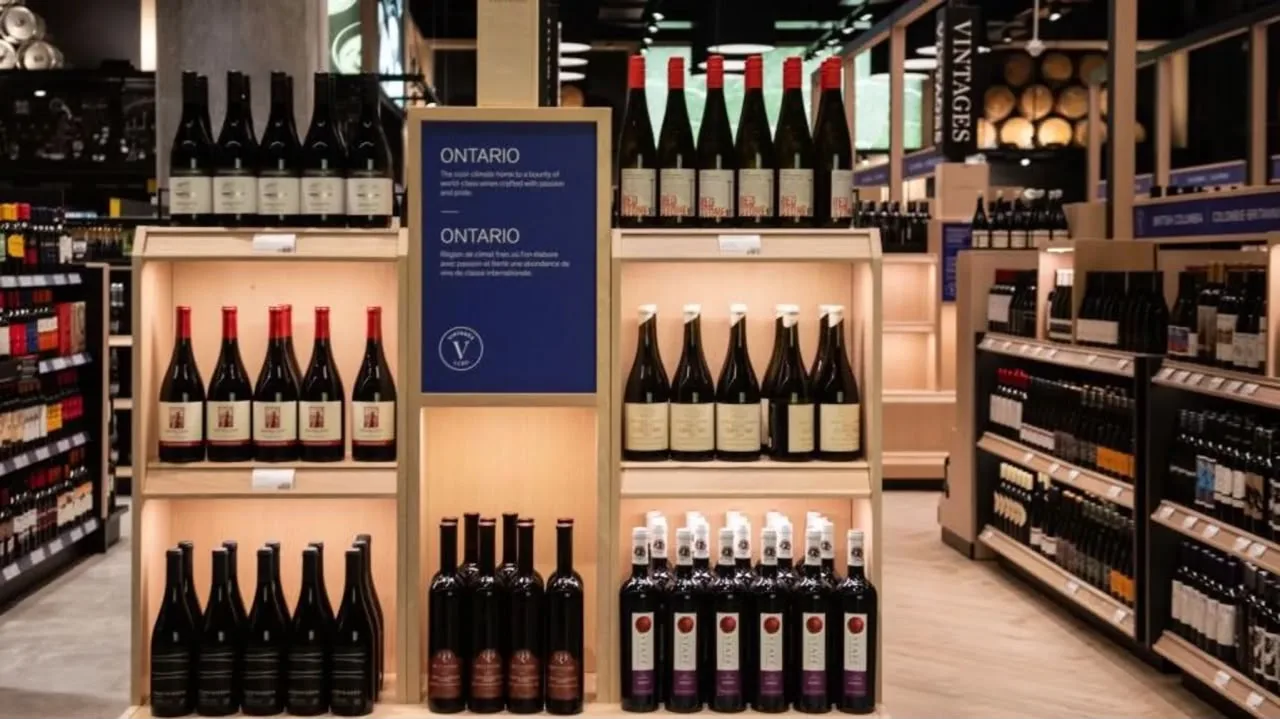
Canada has responded with tariffs ranging from 15 to 50 per cent on more than 700 American products, alongside a 25 per cent levy on certain steel and aluminium imports. Several Canadian provinces have also halted the sale of US liquor.
Trump has defended tariffs as a key part of his economic strategy, arguing that they generate government revenue and encourage consumers to purchase domestically produced goods.
Economists, however, have warned that higher import costs can raise consumer prices and disrupt supply chains and international trade.