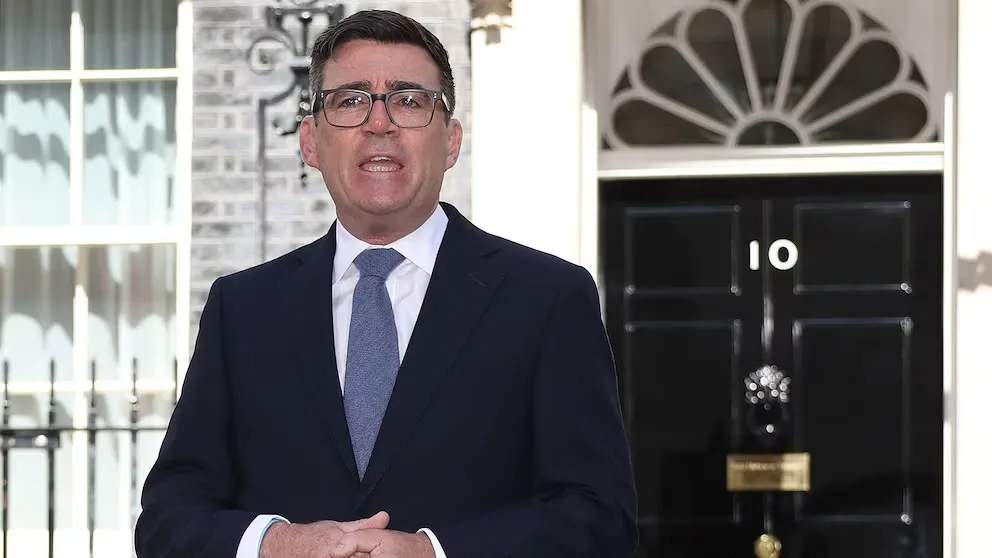
Andy Burnham has officially taken over from Keir Starmer, becoming the sixth person to occupy Number 10 Downing Street since 2016.
His appointment comes at a time of mounting economic pressures, political uncertainty and growing support for the opposition Reform UK party.
Burnham has promised stability, economic growth and a renewed focus on easing the cost-of-living crisis.
The former mayor of Greater Manchester succeeds Keir Starmer, whose resignation followed weeks of political setbacks, scandals and policy reversals.
Burnham now inherits one of the toughest political in-trays in recent British history.
The country continues to grapple with sluggish economic growth, rising government borrowing costs, a growing welfare bill and persistent cost-of-living pressures. Immigration also remains a major concern, with increasing numbers of irregular migrants crossing the English Channel, an issue that has strengthened support for Nigel Farage's Reform UK.
In his first address outside Number 10 Downing Street, Burnham promised a more stable style of leadership, saying he wants to restore confidence in government after years of political upheaval.
He has also pledged to prioritise economic growth, devolve more powers to regional communities and provide relief for households struggling with rising living costs.
Burnham, often referred to as the "King of the North" for his leadership in Greater Manchester, returns to Westminster after several years in local government, bringing experience from previous Labour governments under Tony Blair and Gordon Brown.
However, analysts say he has little time to deliver results. With the next general election expected in 2029 and Reform UK performing strongly in opinion polls, Burnham faces immediate pressure to revive the economy and rebuild public trust.
Burnham was chosen as Labour Party leader by 379 fellow lawmakers after Starmer said he was resigning. Because Labour holds a majority in government, its leader also becomes the U.K. prime minister.