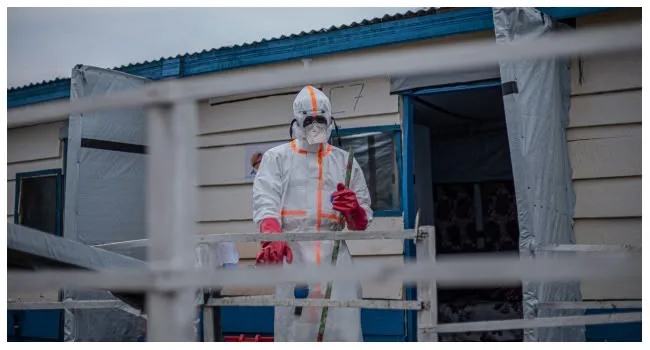
The outbreak, which was officially identified in May after reportedly spreading undetected for several weeks, has so far claimed 3,398 lives, while 1,671 patients have recovered.
Authorities said a total of 7,022 cases have been documented since the outbreak began, with infections recorded across seven provinces.
The epidemic was first detected in Ituri Province in northeastern DRC before spreading to other parts of the country, including remote areas affected by prolonged armed conflict and limited healthcare infrastructure.
South-Ubangi became the seventh province to confirm cases earlier this week. The province shares borders with both the Central African Republic and the Republic of Congo.
Ituri remains the worst-affected area, with health officials reporting infections linked to schools following the return of pupils after the summer break.
The spread among schoolchildren has heightened concerns among parents and health workers, prompting schools to introduce stricter preventive measures.
Schools in Bunia, the provincial capital of Ituri, have implemented compulsory handwashing with soap and reduced class sizes to a maximum of 30 pupils. Students have also been advised to avoid physical contact and maintain regular hand hygiene.
Ebola is a highly infectious viral disease transmitted through contact with infected bodily fluids. Severe cases can result in internal and external bleeding, organ failure and death.
The current outbreak is being driven by the Bundibugyo strain of the virus. There is currently no approved vaccine or specific treatment for this strain, although researchers are testing several potential vaccines and treatments.