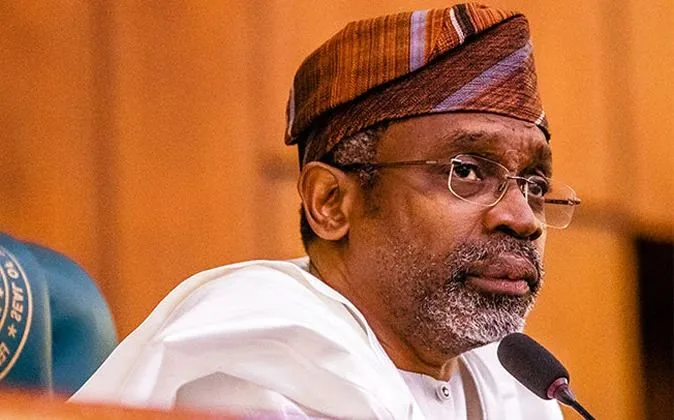
The Ad Hoc Committee investigating the organisation said its preliminary findings showed no evidence that Gbajabiamila created, authorised, approved or participated in the operations of the body.
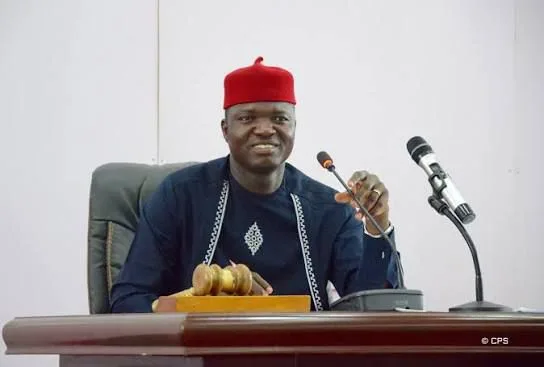
Committee Chairman, Yusuf Gagdi, disclosed this on Wednesday while presenting the panel’s preliminary report at a press briefing.
According to Gagdi, evidence obtained during the investigation showed that Gbajabiamila acted to alert relevant security and investigative agencies after concerns about the organisation were brought to his attention.
The committee said the Nigerian Investment Promotion Commission was among the institutions that initially raised concerns over suspected fraudulent activities and the alleged misuse of government materials.
It said the Chief of Staff responded within 24 hours by contacting the Nigeria Police Force, the Office of the National Security Adviser, the Department of State Services and the Economic and Financial Crimes Commission.
He also directed relevant government institutions to carry out administrative checks and verification, the lawmakers said.
The committee added that Gbajabiamila subsequently sent additional communications requesting investigations and appropriate action after further concerns emerged, including those linked to a proposed world investment summit.
“The documentary evidence presently before the Committee does not establish that the Chief of Staff authorised, approved, established or participated in the activities of the purported organisation,” the committee said.
“On the contrary, the evidence demonstrates repeated steps to secure investigation, institutional verification and appropriate administrative action.”
Based on its preliminary findings, the panel commended Gbajabiamila for the measures he took whenever the allegations concerning the organisation were brought to his attention.
The lawmakers also declared that a letter purportedly appointing Prince Adeniyi Adeyemi as Director-General of the organisation was forged and falsely attributed to the Presidency.
The document, which carried what was presented as Gbajabiamila’s authority and signature, was not issued or approved by the Presidency, according to the committee.
A review of State House records, the panel said, showed that Gbajabiamila neither issued nor signed the appointment letter.
It further found that the letterhead used was not an authentic State House letterhead, while the reference number did not correspond with the Presidency’s official referencing system.
The committee also dismissed documents presented as an executive order and an Act of the National Assembly purportedly establishing the council.
It said the document described as Executive Order No. 5, dated February 24, 2026, was neither issued nor approved through the legally required presidential process.
Similarly, the alleged Act establishing the council was never passed by both chambers of the National Assembly, assented to by the President or gazetted as an Act of the Federation.
According to the panel, part of an instrument belonging to another institution appeared to have been digitally altered, mutilated or substituted to create the impression that the National Assembly had established the purported council.
The lawmakers therefore said their investigation had so far uncovered no valid legislation, executive order, administrative instrument or other lawful authority establishing an institution known as the Presidential Foreign Intervention Promotion Council.
The committee also disclosed that preliminary financial investigations had identified about 58 bank accounts linked to identifying details associated with Adeyemi.
The controversy followed the appearance of the purported council in Nigeria’s 2026 Federal Government budget, despite questions over its legal status.
Adeyemi had presented himself as the council’s Director-General and claimed he was appointed by Gbajabiamila. The Chief of Staff subsequently denied any involvement, triggering investigations into how the organisation allegedly secured recognition and a budgetary provision within the government framework.
The investigation later widened following the discovery by the Independent Corrupt Practices and Other Related Offences Commission of another purported government body, the National Brands Development and Made-in-Nigeria Special Project Office, raising further concerns over the emergence of organisations operating without clear legal authority.