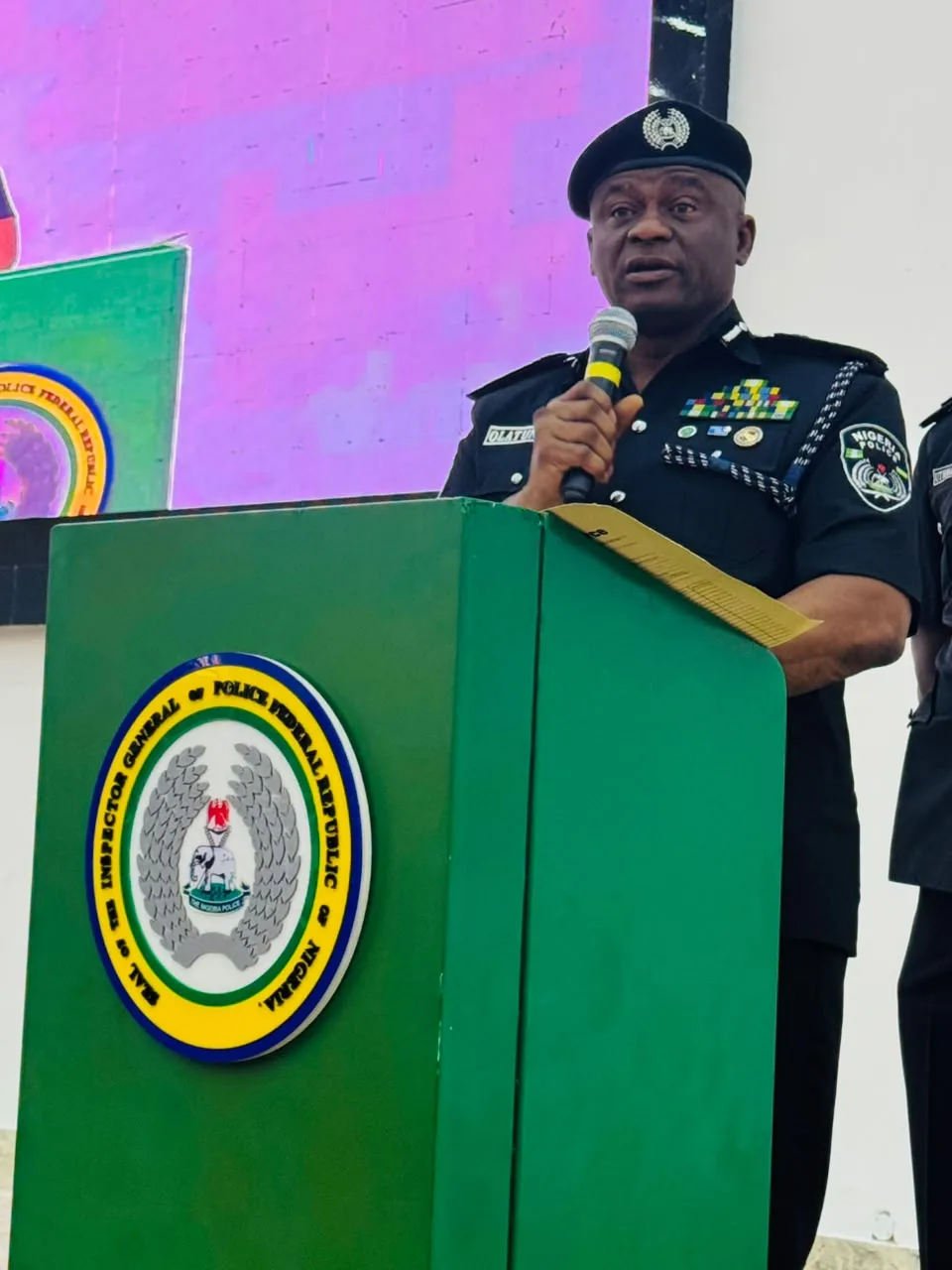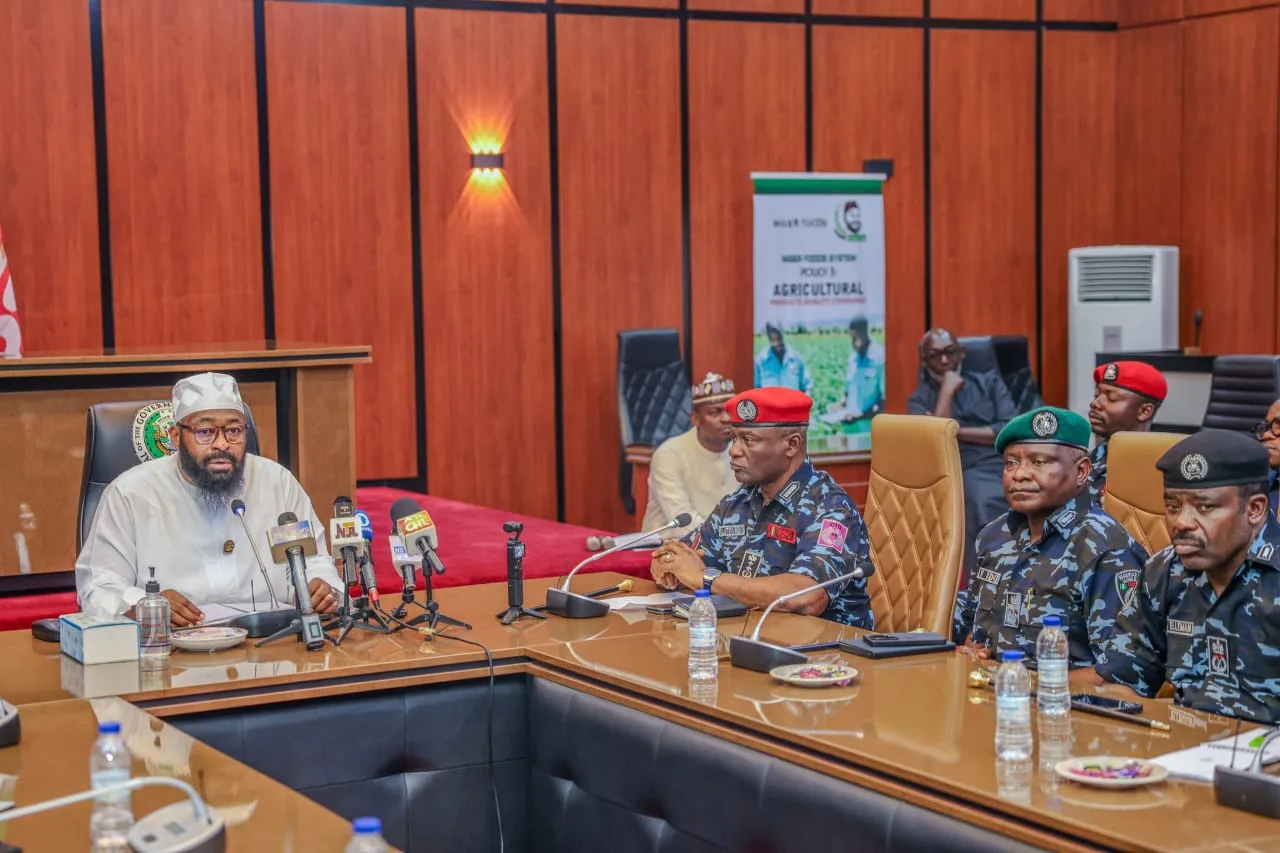
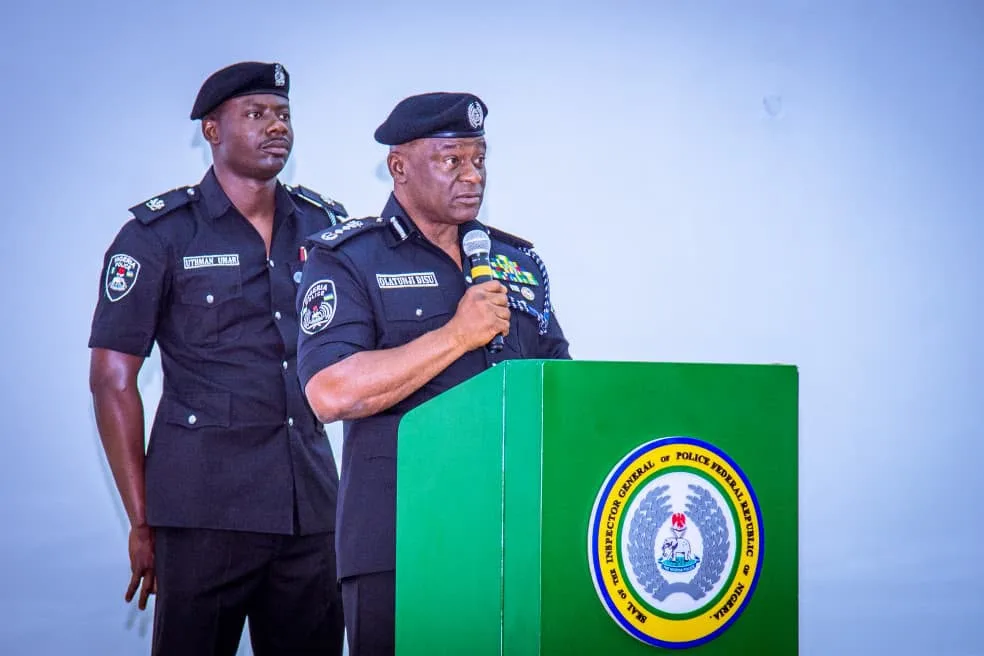
Inspector-General of Police, Olatunji Rilwan Disu, has urged journalists to exercise caution when reporting sensitive security matters, stressing that information published in the media could influence the actions of criminals and affect ongoing security operations.
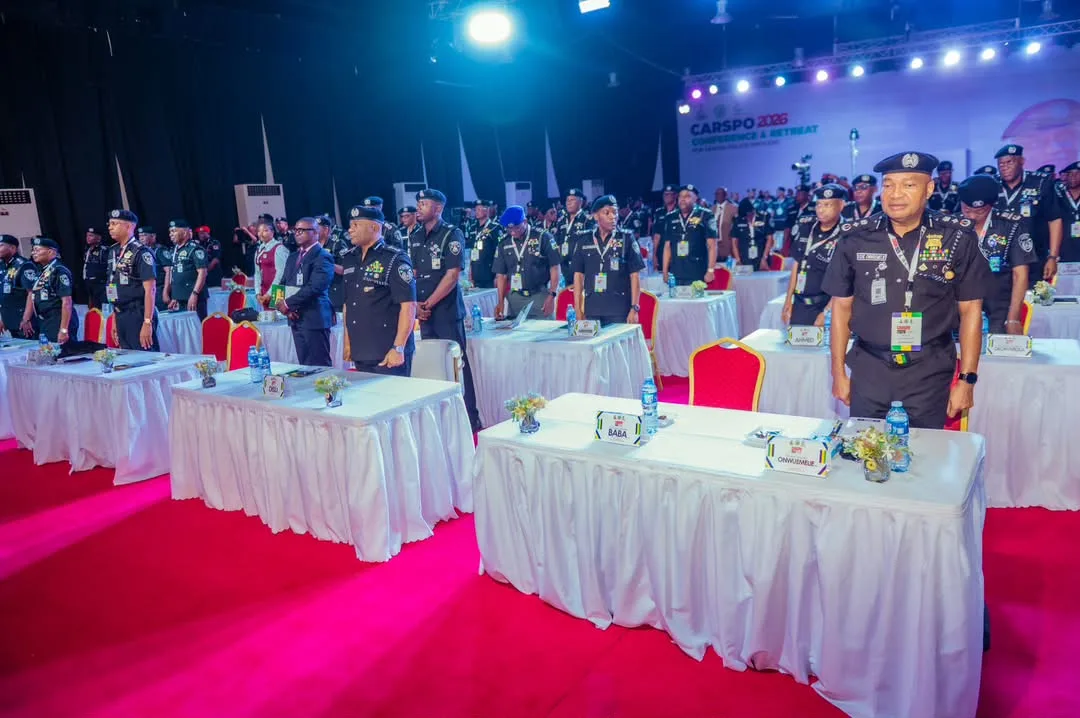
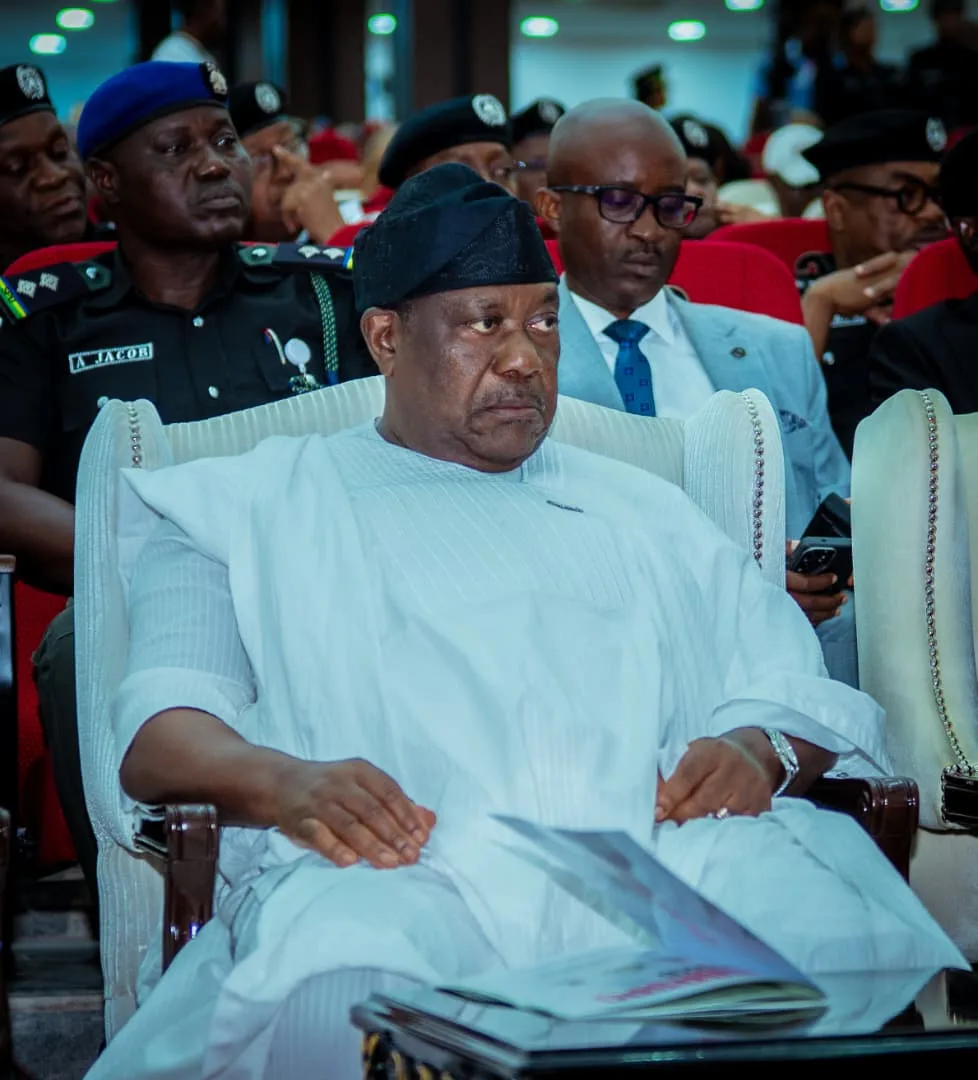
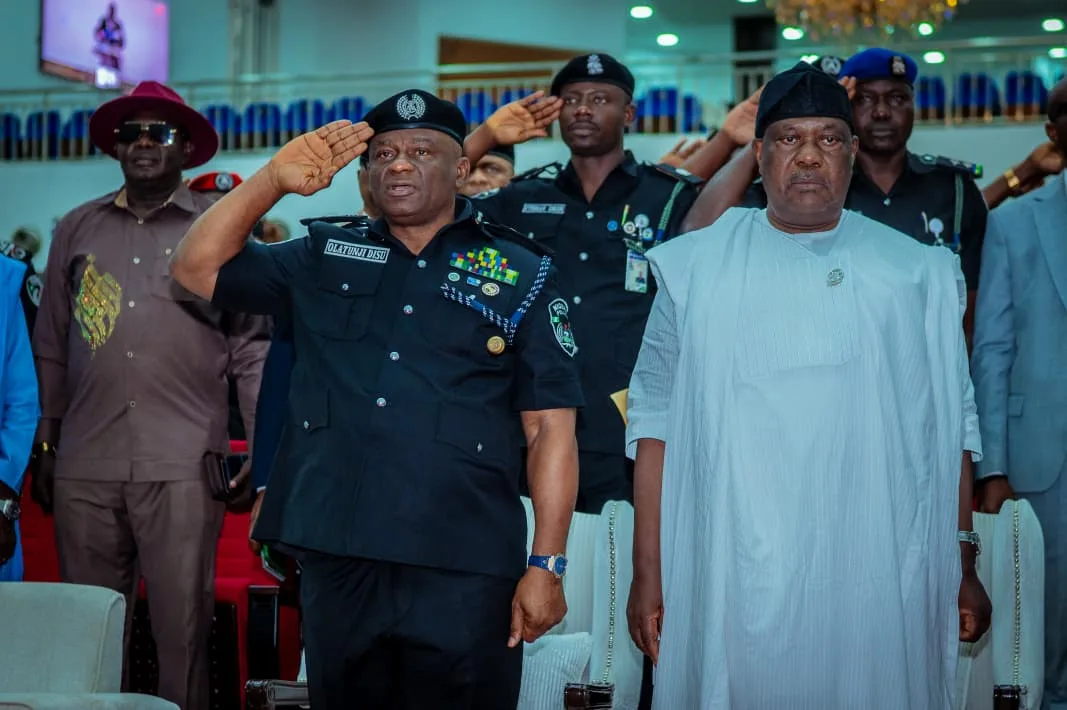
Disu made the call on Tuesday during the Lecture and Discussion session of the 2026 Conference and Retreat for Senior Police Officers (CARSPO 2026) in Owerri, Imo State.
The IGP, who was responding to a presentation by veteran journalist and public affairs analyst, Dr Reuben Abati, said journalists should consider the national interest when reporting issues involving kidnapping, security operations and other sensitive matters.
He illustrated his point with an incident from his time as commander of the Rapid Response Squad in Lagos, when the accountant responsible for Lagos State finances was kidnapped.
According to him, the kidnappers initially demanded about N2 million for the victim’s release but reportedly increased the ransom significantly after the media published details identifying the victim and his official position.
“The kidnappers caught the news and they increased their demand to about billions of naira,” Disu said.
He noted that journalists could have avoided revealing the identity of the victim in the report, stressing that kidnappers monitor news reports and can use information contained in the media to their advantage.
The IGP also called for stronger cooperation between the police and the media, while emphasising that such partnership should not prevent journalists from carrying out their professional responsibilities.
“Partnering with the media does not mean we want the media not to do their jobs. They will partner with us. They will work with us,” he said.
Disu said journalists should also have a better understanding of the challenges confronting police officers in the course of combating crime, including efforts to apprehend kidnappers and other criminals.
He further recounted an incident involving officers of the Rapid Response Squad who deployed tear gas during an operation, noting that the media report did not directly identify the officers as members of the squad despite the unit’s badge being visible on their uniforms.
The IGP said the incident demonstrated the importance of carefully assessing the details contained in reports involving security personnel and operations.
Disu also stressed the importance of effective communication between police officers and members of the public, describing policing as closely linked to public relations.
He said every police officer who comes into contact with members of the public contributes to the image of the Nigeria Police Force, noting that the responsibility of projecting the Force positively does not rest solely on Police Public Relations Officers.
“The best time to make friends with the community is before the crisis happens. The best time to make friends with journalists is before we have problems,” he said.
The IGP disclosed that the Nigeria Police Force was updating its manual on media relations, adding that lessons from Abati’s presentation would form part of the process.
He thanked the journalist for his contribution and urged officers to strengthen their relationship with the media and the communities they serve.